Jaipur,
February 06, 2026.
Silver leaves (ChandiKaWarq) have been an integral part of Indian culinary
traditions for centuries, adorning a wide range of delicacies from sweets,
paan, dry fruits, chocolates to biryanis. As the festive season nears, sweet
shops across India come alive, brimming with colour, fragrance, and intricately
crafted sweets.One special thing about these sweets is the shiny silver foil
called warq. This thin silver layer has been used on Indian sweets for a long
time, making them look appetising.
Silver leaves symbolize purity, prosperityand
celebration, particularly during religious festivals, weddings, and special
occasions. It makes sweets look fancy and special. Its shiny, reflective
surface catches the eye and adds a touch of luxury. The benefits of silver leaves
extend beyond mere decoration. It possesses natural antimicrobial properties,
which help in preventing bacterial growth and spoilage, thus potentially
extending the shelf life of these sweets.
As demand for traditional treats rises, food
safety patrols and media reports have brought renewed attention to the silver
leaves that adorns many of these sweets. This practice was once rooted in
unhygienic, animal-based workshops, now being replaced by branded,
machine-made, hygienic alternatives.
Until recently, the making of silver leaves
was largely the domain of skilled artisans in places like Lucknow and Jaipur. Historically,
the process of creating silver leaves involved hammering thin strips of silver
between layers of animal skin, a method that raised significant hygiene
concerns. This traditional technique was criticized for its unsanitary
conditions and ethical issues, particularly in a predominantly vegetarian
country like India. The use of animal skin made it unacceptable for Jains,
Vaishnavs, and strict vegetarians, for whom even microscopic contamination is
considered impure (asuddh). Health concerns compounded the issue.
There is a visible shift in the industry
today. The machine-made, vegetarian-certified silver leaves meet hygiene,
purity, and ethical standards. With the growing awareness among consumers about
the quality and safety of silver leaves, there has been a shift towards more
ethical and hygienic alternatives.
For communities like the Jains and Vaishnavs,
this transformation has been crucial. “Our dietary code prohibits even the
slightest contamination. For people like us, with strong religious beliefs, it
is important to know that what we are consuming is authentic and without compromise,”
explains Mr. N.C.Jain , Chairman, GunayatanNyas, a Jain community member.
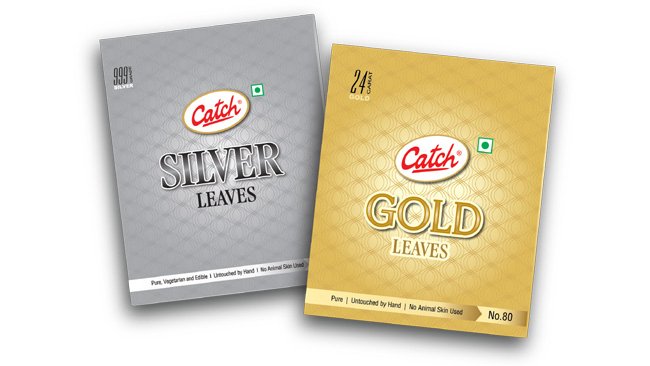
Some notable examples are organizations like DharampalSatyapal Limited (DS Group), Baba and Shree Jagannath Ji Sterling Products Pvt Ltd.(Silver Star), who pioneered the production of 100% vegetarian silver leaves. Using advanced technology and mechanized processes, these companies ensure that their silver leaves are completely free from animal interface and comply with FSSAI guidelines. The DS Group, which produces Catch Silver Leaves, was among the first to modernize its production, Catch Silver & Gold Leaves led the way.
It is noteworthy that DS Group’s brand Catch
Silver leaves is also supported by Jain Mandir, Dada BadiTeerth, Mehrauli,
Delhi and Shri Jain ShwetamnayMandir, NaughraGali, Kinnari Bazaar, Delhi.
“At DS Group, we honour tradition while embracing
innovation. Our machine-made Gold and Silver leaves are hygienic, vegetarian,
and FSSAI-compliant, produced using state-of-the-art technology in a sterile
environment. We manufacture the one of the thinnest silver foils in the
industry and see this as preserving the beauty of tradition while meeting
modern safety standards,” said Mr. K.K Jalandra, Senior GM, Manufacturing, DS
Group, a multi-business corporation and a leading FMCG Conglomerate.
In 2016, the Food Safety and Standards
Authority of India (FSSAI) stepped in, banning the use of animal-based
materials in the manufacture of edible silver leaves. Under the updated
regulations, only vegetarian, machine-made, food-grade silver is permitted.
FSSAI’s intervention acknowledged not just hygiene but also religious
sensitivities, and gave both consumers and manufacturers clarity on what is
acceptable. This was a historic revolution.
“Baba Silver Leaves believes in blending tradition with technology to create superior machine-made silver leaves that meet the highest standards of safety and quality. Our vision is to redefine elegance with every delicate leaf we produce," said Mr. VaruneshVashishth,DGM, Operations from Baba Silver Leaf.
Modern warq is produced in controlled, sterile environments using machines that beat the silver mechanically to a uniform micron-level thickness. These machine-made leaves are free from human or animal contact, consistent in quality, and packaged hygienically. The process is carried out in clean rooms to prevent contamination, and the finished sheets are handled with sterilized tools and gloves to avoid any human or microbial contact. They are then cut into standard sizes, checked for thickness and purity, and packaged hygienically in airtight containers to protect against moisture, dust, and damage.
“The time for unregulated, unsafe silver leaves is over. We believe in ethical manufacturing, FSSAI-compliant, vegetarian, and machine-made, so that sweet makers and consumers can trust what’s on their plate,” Mr. ShubhChouksey, Director,ShreeJagannathji Sterling Products Pvt Ltd( Silver Star).
Manufacturers like DS Group, Baba and Silver
Star have now brought branded, certified silver leaves products into the
market; products that consumers can trust and enjoy without any hesitation
about hygiene, safety, or animal contact.
For manufacturers, this change is more than regulatory compliance — it’s about building consumer trust. India’s silver leaves story is entering a new, enlightened chapter — where shimmer no longer comes at the cost of safety or sanctity, and everyone can now enjoy their sweets with a silver lining, free from fear of contamination or the guilt of tradition being compromised.
© 2019 All Rights Reserved | democraticjagat2019 | Developed By DIIT IT SERVICES & SOLUTIONS