With the festive and
wedding season underway, India comes alive with vibrant colors, melodious
tunes, and a plethora of cultural traditions. Amidst these celebrations, the
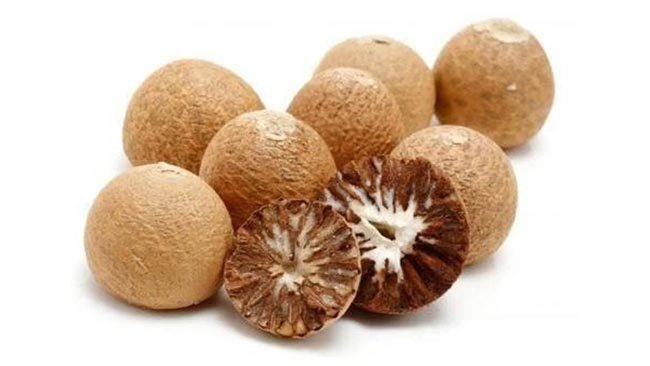
humble betel nut, often overlooked, emerges as a significant cultural symbol.
The betel nut, a seed from the areca palm, has been an integral part of Indian
culture for centuries. Its use, often intertwined with religious and social
practices, has shaped traditions and rituals across the country.
In India, the offering of
betel nut, often accompanied by betel leaves and lime, is a common gesture of
hospitality and respect. It is considered a mark of politeness and a way to
welcome guests into one's home. From a relationship perspective, the act of
sharing betel nut symbolizes a deep-rooted connection and friendship. It's a
gesture that transcends mere politeness, signifying trust, intimacy, and shared
experiences. By partaking in this ritual together, individuals strengthen their
bond and create lasting memories.
For instance, in many
parts of South India, it is customary to offer betel nut and betel leaves to
guests as a sign of welcome. This practice is deeply rooted in tradition and is
seen as a way tohonor visitors. In most Indian states the betel nut is often
offered during festivals, pujas and auspicious occasions.
The betel nut holds a
special place in Hindu rituals and ceremonies. It is considered auspicious and
is often offered to deities during prayers. The practice of chewing betel nut
is also prevalent among various tribal communities in India, where it is
associated with specific cultural and social practices.
The betel nut holds a
special place in Indian wedding rituals, symbolizing love, prosperity, and
eternal bond. In many Hindu weddings, the couple exchanges betel nuts as a part
of the 'paan-supari' ceremony. This ritual signifies the union of two souls and
the beginning of a lifelong partnership. In some regions, the bride and groom
may chew betel nuts together, further cementing their bond. The distribution of
betel nuts among guests is also a common practice, seen as a gesture of
blessings and good wishes for the newlyweds.
In the Hindu scripture
Vishnu Purana, the betel nut is mentioned as a divine offering. It is believed
to purify the atmosphere and attract positive energy. In many temples across
India, devotees offer betel nuts to the deities as a part of their prayers.
In Assam, the betel nut is
an essential part of the Bihu festival. It is offered to the deities and is
exchanged among friends and family as a symbol of goodwill. In Kerala, the
betel nut is used in various Ayurvedic rituals and is believed to have
medicinal properties. In the northeastern state of Mizoram, betel nut chewing
is a popular social activity, often accompanied by traditional music and dance.
The act of chewing betel
nut is often a social experience. It brings people together, fostering
conversations and strengthening relationships. It is a way to relax, unwind,
and enjoy the company of others. This prevalent all across India specially east
and western parts of India. In many parts of India, betel nut chewing is a
common social activity, especially among older generations. People often gather
in groups to chew betel nut, sharing stories, jokes, and news. This social
aspect of betel nut consumption has helped to strengthen community bonds and
preserve cultural traditions. In the state of Rajasthan, for example, betel nut
chewing is often accompanied by traditional folk songs and dances.
The taste and aroma of
betel nut are unique and have been cherished for centuries. The combination of
flavors, including the sweetness of the nut, the spiciness of the betel leaf,
and the cooling effect, creates a distinctive sensory experience.Betel nut
chewing is not just a cultural practice; it is also an art form. The way the
betel leaf is folded, the amount of lime and areca nut added, and the final
presentation of the betel quid can vary widely across different regions of
India. This diversity reflects the richness and complexity of Indian culture.
In the southern state of Karnataka, for instance, there is a unique style of
betel nut chewing, where the nut is cut into specific shapes and wrapped in a
particular way.
Clearly, the betel nut is
more than just a simple seed. It plays a vital role in the cultural and social
fabric of various societies. Its deep roots in Indian culture and tradition
make it an enduring part of the country's heritage. As we continue to
appreciate the rich tapestry of Indian culture, let us not forget the humble
betel nut and its significant role in shaping our traditions.

© 2019 All Rights Reserved | democraticjagat2019 | Developed By DIIT IT SERVICES & SOLUTIONS